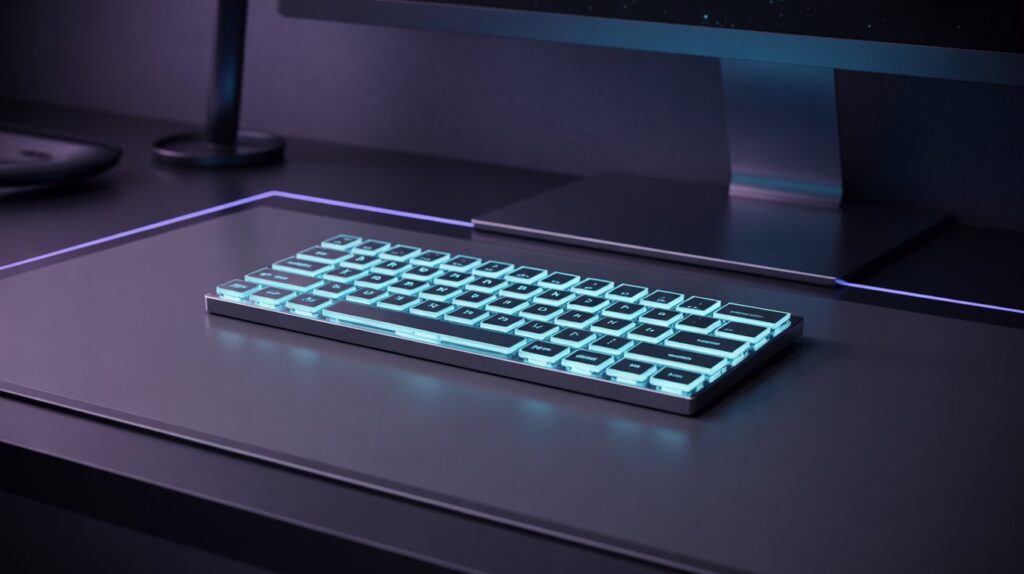
Kibard – Meaning, Uses, Types, and Everything You Need to Know About It
Introduction
When we first hear the word “kibard,” it might look like a strange or unfamiliar term, but in reality, it is simply a common misspelling of the word “keyboard.” And honestly, it makes sense—when we type fast on phones or computers, small spelling mistakes like this happen all the time.
A keyboard is one of the most important input devices we use every single day. Whether we are writing messages, searching on Google, playing games, coding, or even doing office work, the keyboard is always there as our main tool of communication with digital devices.
In this article, we are going to explore everything about the “kibard” (keyboard). We’ll talk about what it is, how it works, its types, uses, history, and even some tips to choose and maintain one. This is a complete guide written in a simple and friendly way so anyone can understand it easily.
What is a Kibard (Keyboard)?
A kibard, or keyboard, is an input device used to type letters, numbers, symbols, and commands into a computer or other digital device. It is made up of multiple buttons called “keys,” and each key performs a specific function.
When we press a key, it sends a signal to the computer, which then displays the corresponding character or action on the screen. For example, pressing the letter “A” key will type the letter A on the screen.
Even though modern technology has introduced touchscreens and voice input, keyboards are still widely used because they are fast, accurate, and reliable.
Why Do People Say “Kibard” Instead of Keyboard?
The word “kibard” is not an official term. It usually comes from:
- Fast typing mistakes
- Phonetic spelling (typing how it sounds)
- Autocorrect errors
- Lack of familiarity with English spelling
- Casual online typing habits
This kind of variation is very common in digital communication. Just like people sometimes type “teh” instead of “the,” “kibard” is simply another typing slip that has become recognizable.
A Short History of the Keyboard
To understand the kibard better, it helps to know where it came from.
The keyboard has its roots in typewriters from the 19th century. Early typewriters used mechanical keys to print letters on paper. Later, as computers were developed, engineers adapted this idea into electronic keyboards.
Over time, keyboards evolved significantly:
- Early mechanical typewriters → Manual typing machines
- First computer keyboards → Simple wired input devices
- Modern keyboards → Digital, wireless, mechanical, and smart keyboards
Today’s keyboards are much faster, more comfortable, and more advanced than ever before.
How a Kibard Works
Even though it looks simple, a keyboard works through a well-organized system.
Here’s how it functions:
- We press a key
- A signal is generated inside the keyboard
- The signal is sent to the computer
- The computer recognizes the key
- The character or action appears on the screen
Inside the keyboard, there is a circuit board that connects all keys. Each key has a switch that completes an electrical circuit when pressed. That is how the device knows what we typed.
Main Types of Kibard (Keyboard)
There are many types of keyboards available today, and each one is designed for different users and purposes.
1. Membrane Keyboard
This is the most common type found in offices and home setups.
Features:
- Soft keys
- Quiet typing
- Affordable price
- Lightweight design
It works using pressure pads instead of mechanical switches.
2. Mechanical Keyboard
Mechanical keyboards are popular among gamers and professional typists.
Features:
- Individual switches under each key
- Strong tactile feedback
- Long lifespan
- Faster response time
They are louder but more durable and satisfying to use.
3. Wireless Keyboard
Wireless keyboards connect through Bluetooth or USB receivers.
Features:
- No cables
- Clean and portable setup
- Good for mobile workstations
- Battery-powered
They are ideal for people who prefer minimal desk clutter.
4. Gaming Keyboard
Gaming keyboards are specially designed for gamers.
Features:
- RGB lighting effects
- Extra programmable keys
- Fast response switches
- Anti-ghosting technology
These keyboards improve gaming performance and experience.
5. Ergonomic Keyboard
Ergonomic keyboards are designed for comfort.
Features:
- Split design
- Wrist support
- Reduced strain on hands
- Ideal for long typing sessions
They help prevent wrist pain and fatigue.
6. Virtual Keyboard
This is a digital keyboard that appears on screens.
Features:
- Used on smartphones and tablets
- Touch-based typing
- No physical keys
- Always available on devices
Uses of Kibard in Daily Life
Keyboards are used in almost every digital activity. Some of the most common uses include:
Typing Communication
We use keyboards to type messages, emails, and documents.
Education
Students use keyboards for assignments, research, and online learning.
Office Work
Employees use keyboards for reports, spreadsheets, and data entry.
Gaming
Gamers use keyboards for controlling characters and commands.
Programming
Developers rely heavily on keyboards for writing code.
Internet Browsing
Every search query starts with a keyboard input.
Importance of Kibard in Modern Life
Without keyboards, digital communication would be much slower and more complicated. They are essential because:
- They allow fast typing
- They improve productivity
- They are easy to use
- They work with almost all devices
- They support multiple languages
Even with voice typing becoming popular, keyboards remain more accurate and widely used.
Parts of a Keyboard
A keyboard is made up of several important parts:
- Alphanumeric keys (letters and numbers)
- Function keys (F1, F2, etc.)
- Control keys (Ctrl, Alt, Shift)
- Navigation keys (Arrow keys)
- Numeric keypad (calculator-style numbers)
- Special keys (Enter, Spacebar, Backspace)
Each section has a specific role in making typing easier and more efficient.
How to Choose the Right Kibard
If we are planning to buy a keyboard, here are some things to consider:
Purpose
- For office work → membrane keyboard
- For gaming → mechanical gaming keyboard
- For comfort → ergonomic keyboard
Budget
Keyboards come in different price ranges, so choosing according to budget is important.
Connectivity
- Wired (stable and fast)
- Wireless (portable and clean setup)
Key Feel
Some people prefer soft keys, while others like clicky mechanical switches.
Durability
A good keyboard should last for years without performance issues.
Common Problems in Kibard and Their Solutions
Even good keyboards can face issues over time.
1. Keys Not Working
Solution: Clean the keyboard or check connection.
2. Sticky Keys
Solution: Dust or liquid may be the cause; gentle cleaning helps.
3. Delayed Typing Response
Solution: Restart device or replace batteries (for wireless keyboards).
4. Random Typing Errors
Solution: Check language settings or replace faulty keys.
How to Take Care of Your Kibard
Proper care increases the life of a keyboard.
- Keep it clean from dust
- Avoid eating or drinking near it
- Use a keyboard cover if possible
- Clean it regularly with soft tools
- Handle keys gently
Small care habits can make a big difference in durability.
Future of Kibard Technology
Keyboard technology is continuously improving. In the future, we may see:
- More advanced wireless systems
- Flexible and foldable keyboards
- Smart AI-based typing prediction
- Virtual reality keyboards
- More ergonomic designs
Even with new innovations, the basic purpose of keyboards will remain the same—fast and easy input.
Conclusion
So, the word “kibard” may just be a simple spelling mistake, but it points us toward one of the most important tools in modern technology—the keyboard.
From typing messages to writing code and playing games, keyboards play a central role in our digital lives. They are simple, powerful, and essential for almost everything we do on computers and mobile devices.
As technology continues to grow, keyboards will also evolve, but their importance will never fade. Whether we call it a keyboard or accidentally type “kibard,” it remains one of the most useful inventions in human digital history.