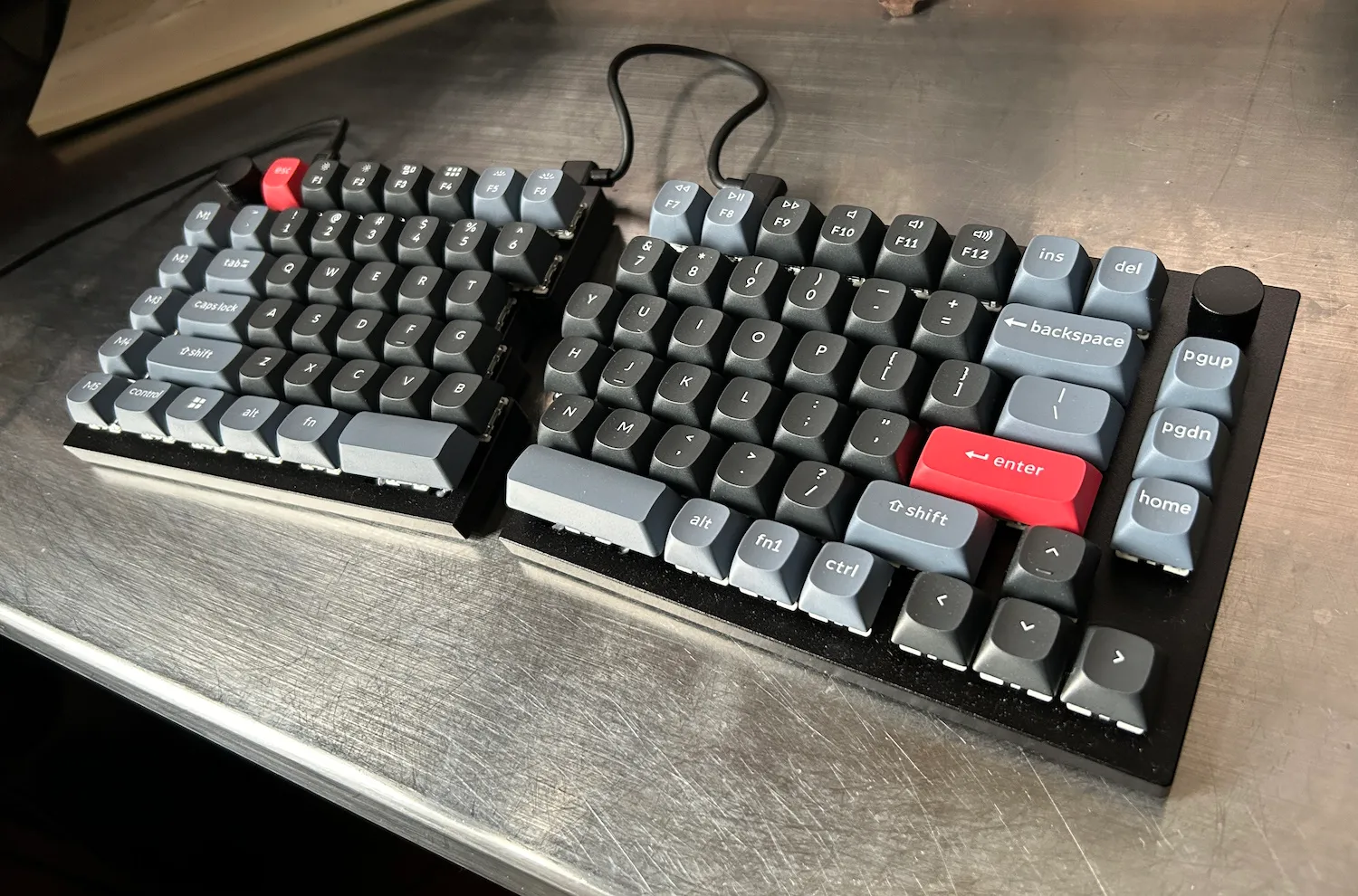
Kibard: What We Really Mean, Why It Happens, and What It Could Become
Let’s be honest—most of us have typed “kibard” at least once without even noticing. It slips out when we’re typing fast, distracted, or just not paying attention. In most cases, “kibard” is simply a misspelling of the word keyboard. But if we look a little deeper, there’s actually more to this small typo than we might think.
We’re going to explore what “kibard” really means, why people type it, where it shows up, and how it could even evolve into something more—like a brand name or a digital identity. We’ll keep things simple, casual, and useful, just like a real conversation.
Why Do We Type “Kibard” Instead of “Keyboard”?
We’ve all been there. Our fingers move faster than our brain, and suddenly “keyboard” becomes “kibard.” But why does this specific mistake happen so often?
1. Typing Speed and Muscle Memory
When we type quickly, we rely more on muscle memory than careful spelling. Our fingers follow patterns, and sometimes they take shortcuts. The word “keyboard” has multiple letters that require small finger shifts, and that’s where mistakes sneak in.
“Kibard” is actually a simplified version—it skips a few letters and sounds more phonetic. It’s almost like our brain is trying to make typing easier.
2. Phonetic Confusion
If we say “keyboard” out loud quickly, it can sound like “kibord” or “kibard.” That’s especially true for non-native English speakers or in casual speech. So when we type what we hear instead of what we know, the result is “kibard.”
3. Small Screens and Mobile Typing
On phones, typing errors are even more common. Tiny keyboards, autocorrect issues, and thumb typing all increase the chances of mistakes. “Kibard” is exactly the kind of typo that shows up when we’re texting or searching quickly.
4. Autocorrect Isn’t Always Perfect
We trust autocorrect, but it doesn’t always catch everything. If “kibard” isn’t flagged as incorrect—or if we hit send too fast—it sticks. Over time, repeated errors like this start appearing more often online.
Where Do We See “Kibard” Most Often?
Even though it’s technically a mistake, “kibard” shows up in more places than we might expect.
Search Engines
People often type “kibard” into search engines when they’re looking for:
- Keyboard prices
- Keyboard settings
- Laptop keyboard fixes
- Gaming keyboards
Search engines are smart enough to understand the intent, but the typo still gets recorded. That means “kibard” becomes part of real search data.
Social Media and Chat
In casual conversations, nobody really cares about perfect spelling. So “kibard” can appear in:
- Messages
- Comments
- Posts
- Quick replies
It’s informal, unfiltered, and very human.
Online Forms and Comments
Sometimes we type quickly while filling out forms or writing comments. Without proofreading, small mistakes like “kibard” slip through.
Could “Kibard” Be Something More?
Here’s where things get interesting. Not every typo stays just a typo. Some words evolve, gain meaning, or even become brands. So what about “kibard”?
As a Brand Name
“Kibard” actually has potential as a brand. It’s:
- Short
- Easy to pronounce
- Unique
- Memorable
If we think about it, many successful brands started as unusual or made-up words. “Kibard” could easily be used for:
- A tech startup
- A keyboard company
- A typing tool or app
- A gaming accessory brand
Because it’s close to “keyboard,” it already carries a built-in association.
As a Digital Identity
In the online world, unique names are valuable. “Kibard” could be:
- A username
- A domain name
- A social media handle
Since it’s not widely used, it’s easier to claim and build around.
As a Creative Variation
Sometimes people intentionally use altered spellings to stand out. “Kibard” could be a stylized version of “keyboard,” used in:
- Logos
- Product names
- Tech blogs
- Creative projects
The SEO Side of “Kibard”
Now let’s talk about something practical—search engine optimization (SEO). Even though “kibard” is a typo, it still matters.
Typo Traffic Is Real
People make mistakes when they search, and those mistakes create real traffic. If we include variations like “kibard” in content, we can:
- Capture additional search queries
- Reach users who type quickly
- Improve overall visibility
Low Competition Advantage
Because “kibard” isn’t a standard keyword, there’s less competition. That means:
- Easier ranking opportunities
- Faster visibility
- More targeted traffic
Smart Usage Matters
We don’t want to overuse incorrect spelling, but we can include it naturally:
- In headings
- In explanations
- In FAQs
That way, we stay helpful while also covering real user behavior.
Common Situations Where “Kibard” Appears
Let’s look at some everyday scenarios where we might see this word.
1. Searching for Keyboard Issues
Someone types:
- “laptop kibard not working”
- “how to fix kibard keys”
They’re clearly looking for help, and search engines interpret the intent correctly.
2. Shopping Online
Users might search:
- “best gaming kibard”
- “cheap kibard price”
Again, the intention is obvious, even with the typo.
3. Learning to Type
Beginners often make spelling mistakes while learning. “Kibard” can show up in:
- Practice exercises
- Notes
- Early typing attempts
4. Casual Conversations
In chats, speed matters more than accuracy. So “kibard” appears naturally without much thought.
How We Can Avoid Typing “Kibard”
Even though it’s harmless, sometimes we do want to type correctly—especially in professional settings.
Here are a few simple tips:
Slow Down Slightly
We don’t need to type at lightning speed all the time. Slowing down just a little can reduce errors significantly.
Use Predictive Text
Most devices offer suggestions as we type. Paying attention to those can help catch mistakes early.
Proofread Before Sending
A quick glance before hitting send can fix small errors like “kibard.”
Practice Typing Accuracy
There are many tools and exercises that help improve typing precision. Over time, our muscle memory gets better.
The Human Side of Typos
At the end of the day, “kibard” reminds us of something important—we’re human.
We make small mistakes:
- We type too fast
- We get distracted
- We rely on habits
And that’s completely normal.
In fact, these little errors make digital communication feel more real and less robotic. Perfect spelling all the time can feel stiff, while small imperfections feel natural.
Could “Kibard” Become a Trend?
It might sound unlikely, but language evolves in unexpected ways. Words that start as mistakes sometimes become accepted forms—especially online.
If enough people:
- Use “kibard” regularly
- Turn it into a brand
- Build content around it
It could gain recognition over time.
We’ve seen similar things happen with slang, abbreviations, and even emojis. So while “kibard” is currently a typo, it has the ingredients to become something more.
Final Thoughts
“Kibard” may look like a simple typing error, but it tells a bigger story. It shows how we interact with technology, how we communicate quickly, and how language adapts in digital spaces.
For most of us, it’s just a slip of the fingers—a faster, rougher version of “keyboard.” But in the right context, it can also be:
- A branding opportunity
- A unique identity
- A small piece of SEO strategy
Instead of ignoring it, we can understand it, use it smartly, and even build something around it if we want.