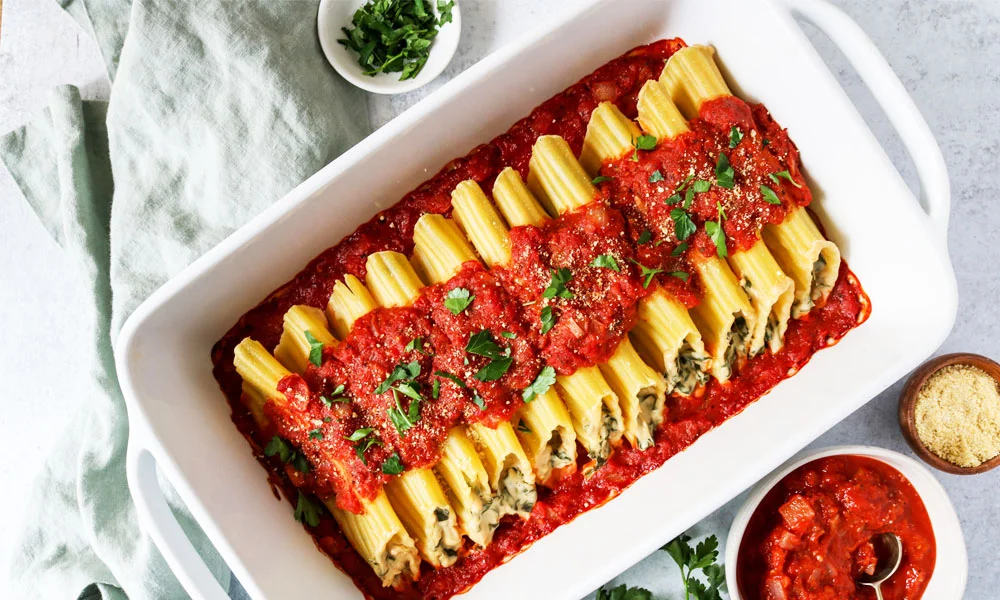
Mannacote: A Hearty Italian Comfort Dish
Introduction to Mannacote
Mannacote is a beloved Italian comfort dish that combines wholesome ingredients, a creamy texture, and a homely flavor profile. Imagine a warm casserole that blends tender pasta, rich sauces, and perfectly balanced fillings — that’s the essence of mannacote. Often enjoyed during family gatherings or festive occasions, it’s the kind of meal that invites everyone to the table and keeps them coming back for seconds.
The name itself evokes an old-world charm, suggesting something hearty and lovingly prepared. While every household may have its own variation, the heart of mannacote lies in its combination of pasta, a flavorful filling, and a rich sauce that binds everything together.
The Origins of Mannacote
While the exact beginnings of mannacote are rooted in traditional Italian kitchens, it’s clear that this dish evolved from the Italian tradition of turning simple, everyday ingredients into extraordinary meals. Families in rural Italy often had access to flour, eggs, cheese, and vegetables. By combining pasta with a rich stuffing and baking it under a blanket of sauce, they created a dish that could satisfy a crowd without extravagance.
Over time, mannacote became more than just sustenance — it became a centerpiece for celebrations. Birthdays, anniversaries, and Sunday feasts often featured this bubbling casserole fresh out of the oven.
The Hallmarks of a Great Mannacote
A truly memorable mannacote has several defining qualities:
- Perfectly Cooked Pasta Shells
The pasta must be tender yet sturdy enough to hold the filling without collapsing. - A Flavorful Filling
This could be a blend of creamy ricotta, sautéed spinach, seasoned meats, or roasted vegetables. - Rich and Balanced Sauce
Tomato-based sauces bring tangy brightness, while cream sauces add luxurious smoothness. Some recipes even combine the two for depth. - Melty, Golden Cheese Layer
A top layer of cheese that melts and browns in the oven creates both visual appeal and irresistible flavor.
Ingredients Commonly Used in Mannacote
While the variations are endless, most mannacote recipes include:
- Pasta Tubes or Shells: Large enough to be filled generously.
- Ricotta or Cottage Cheese: For creaminess and mild flavor.
- Mozzarella and Parmesan: For stretch and savory sharpness.
- Eggs: To bind the filling together.
- Herbs and Spices: Basil, oregano, nutmeg, or parsley for freshness and aroma.
- Tomato or Cream Sauce: Depending on the desired flavor direction.
- Optional Meats or Vegetables: Ground beef, sausage, mushrooms, spinach, or roasted peppers.
How Mannacote Differs from Other Pasta Dishes
Mannacote might seem similar to other baked pasta dishes, but it has its own personality. Unlike lasagna, where the pasta is layered flat, mannacote involves stuffing pasta tubes or shells with a filling. Compared to baked ziti, mannacote is more structured, with each piece holding its own portion of filling. This makes it easy to serve individual portions without losing the beautiful shape.
Step-by-Step Guide to Preparing Mannacote
Step 1: Cook the Pasta
Boil the pasta tubes until they are just shy of fully cooked. They will finish cooking in the oven. Rinse under cool water to stop the cooking process.
Step 2: Prepare the Filling
Combine ricotta, shredded mozzarella, grated Parmesan, eggs, and seasonings. If using vegetables, sauté them beforehand to remove excess moisture.
Step 3: Prepare the Sauce
If using tomato sauce, simmer it with garlic, onions, and herbs until aromatic. For a cream sauce, melt butter, whisk in flour, and gradually add milk or cream, seasoning to taste.
Step 4: Assemble the Dish
Spread a thin layer of sauce on the bottom of a baking dish. Fill each pasta tube with the prepared filling and arrange them neatly. Pour more sauce over the top and sprinkle generously with cheese.
Step 5: Bake
Cover the dish with foil and bake until heated through. Remove the foil for the final minutes to allow the cheese to brown.
Variations to Try
- Spinach and Ricotta: A classic vegetarian option with fresh herbs.
- Meat Lover’s Mannacote: Ground beef or sausage mixed into the filling.
- Three-Cheese Blend: Mozzarella, Parmesan, and Fontina for extra depth.
- Seafood Mannacote: Shrimp or crab meat with a creamy garlic sauce.
- Garden Vegetable: Roasted zucchini, peppers, and mushrooms.
Serving Suggestions
Mannacote is a satisfying main dish, but it pairs beautifully with lighter sides such as:
- Crisp green salad with vinaigrette
- Garlic bread or crusty baguette
- Roasted seasonal vegetables
- A glass of red wine or sparkling water
Storing and Reheating
One of mannacote’s strengths is that it stores well. After cooling, cover tightly and refrigerate for up to three days. For longer storage, freeze in individual portions. To reheat, place in the oven until warmed through — this keeps the pasta from becoming soggy.
Cultural and Emotional Significance
For many families, mannacote is more than just food — it’s a reminder of shared meals, laughter, and tradition. In Italian households, recipes are often handed down through generations, each cook adding their own touch. Preparing mannacote can be a bonding experience, where family members gather to stuff pasta shells together, turning cooking into an act of connection.
Tips for First-Time Cooks
- Don’t overcook the pasta before baking.
- Taste and adjust the filling seasoning before stuffing.
- Use fresh herbs for the best flavor.
- Let the baked dish rest for a few minutes before serving to allow the flavors to settle.
Conclusion
Mannacote stands as a testament to the beauty of Italian cooking — taking humble ingredients and transforming them into something both comforting and celebratory. Whether served on a special occasion or as a midweek treat, this dish brings warmth to the table and satisfaction to the soul. With endless possibilities for customization, mannacote invites you to make it your own and share it with those you care about most.