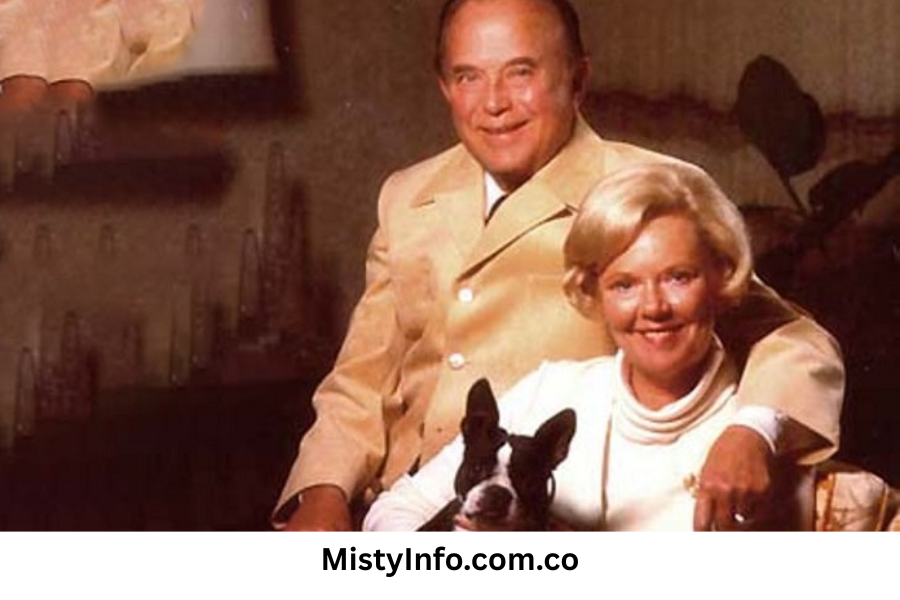
Jane Dobbins Green Biography, Age, Background, and Legacy
The name Jane Dobbins Green rarely appears in mainstream discussions about Ray Kroc, yet her presence marked a meaningful transitional period in the life of the man who built McDonald’s into a global phenomenon. While Ray Kroc is widely remembered for his relentless drive, corporate vision, and business legacy, the personal dimensions of his life—including his brief marriage to Jane offer a deeper, more human perspective on the cost of ambition.
Jane Dobbins Green lived at the intersection of two contrasting worlds: mid-century Hollywood refinement and the rising dominance of American corporate culture. Her story is not one of public fame or lasting notoriety, but rather of discretion, individuality, and quiet withdrawal from the spotlight. Newly examined public records and historical archives have gradually filled in parts of her life, allowing a more nuanced understanding of who she was and how her marriage to Ray Kroc reflected broader cultural tensions of the 1960s.
Rather than being a mere footnote in Ray Kroc’s biography, Jane represents a chapter defined by emotional transition, personal reinvention, and the challenges faced by women connected to powerful men during a rapidly changing era in American history.
Biographical Overview of Jane Dobbins Green
| Category | Information |
| Full Name | Jane Dobbins Green |
| Year of Birth | Circa 1918 |
| Place of Birth | Hollywood, California, United States |
| Nationality | American |
| Known For | Second wife of Ray Kroc |
| Profession | Former actress, socialite |
| Marital Status | Divorced |
| Spouse | Ray Kroc (married 1963–1968) |
| Children | None publicly documented |
| Residence During Marriage | Southern California |
| Lifestyle After Divorce | Private, low-profile |
| Public Appearances | Rare and limited |
| Historical Significance | Transitional figure in Ray Kroc’s personal life |
Formative Years in Hollywood’s Shadow
Jane Dobbins Green was born into an environment shaped by the early growth of Hollywood as a cultural powerhouse. Raised in Southern California during the golden age of American cinema, she was surrounded by an atmosphere that valued elegance, presentation, and reinvention. Although verified records about her parents remain limited, multiple archival references suggest indirect connections to entertainment or social circles associated with the film industry.
Growing up during this period exposed Jane to a lifestyle that balanced aspiration with discretion. Hollywood in the early twentieth century was not only a place of opportunity but also one where privacy was carefully guarded. This background likely influenced Jane’s later preference for living quietly, even during moments when public attention surrounded her.
A Chance Encounter with a Rising Business Icon
By the early 1960s, Ray Kroc was no longer an obscure salesman but a rapidly ascending entrepreneur reshaping American dining habits. Having recently ended his first marriage, Kroc began socializing more frequently within affluent California circles, where business leaders and Hollywood figures often overlapped.
Jane Dobbins Green entered Kroc’s life through these social networks. Described by contemporaries as poised, articulate, and culturally inclined, she represented a contrast to Kroc’s intensely operational mindset. Their connection developed during a period when Kroc sought both personal companionship and social acceptance beyond the boardroom.
A Marriage Bridging Two Worlds
Jane and Ray Kroc married in 1963, forming a union that symbolized the merging of commercial success and Hollywood sophistication. As Kroc’s second wife, Jane assumed a role that required navigating corporate expectations while maintaining her own identity.
She accompanied her husband to formal events, hosted gatherings for executives, and appeared beside him during select public occasions related to McDonald’s expansion. To observers, the marriage seemed stable, even glamorous. Internally, however, the pressures of Kroc’s business ambitions were already shaping the dynamics of their relationship.
The Realities of Life Beside an Empire Builder
Life as Mrs. Ray Kroc brought material comfort and social status, but it also came with emotional challenges. Ray Kroc’s devotion to his company was nearly absolute, leaving little space for personal introspection or emotional presence. Jane, whose interests leaned toward culture, art, and quieter social engagement, increasingly felt overshadowed by the corporate machine surrounding her husband.
Accounts from individuals close to the couple suggest that Jane struggled with the lack of balance between work and personal life. Her independent temperament clashed with the rigid, performance-driven environment that defined McDonald’s leadership culture during its most aggressive growth phase.
The Breakdown of the Relationship
By the late 1960s, the emotional distance between Jane and Ray had become insurmountable. In 1968, their marriage officially ended. The separation reflected not scandal or public conflict, but incompatibility rooted in diverging priorities.
Jane sought stability, emotional availability, and personal fulfillment beyond corporate identity. Ray Kroc, consumed by expansion goals and operational control, remained unable to disengage from his business responsibilities. Their divorce closed a chapter defined by transition rather than permanence.
Choosing Privacy After Public Life
Following the divorce, Jane Dobbins Green deliberately stepped away from public attention. Unlike many spouses of prominent figures, she did not seek interviews, memoirs, or renewed visibility. Instead, she returned to a private life in Southern California.
Property records and anecdotal accounts suggest she lived comfortably but modestly, maintaining limited social ties and focusing on personal interests. She did not remarry publicly, reinforcing her preference for independence and discretion over association with power or fame.
Ray Kroc’s Continued Rise and Historical Reputation
While Jane withdrew from visibility, Ray Kroc entered the most widely remembered phase of his life. His subsequent marriage to Joan Beverly Smith marked a period of stability and philanthropic expansion. Together, they contributed to charitable causes that shaped Kroc’s legacy beyond fast food.
Jane’s role, however, remains important in understanding the emotional evolution of Ray Kroc. Her presence coincided with a pivotal moment between his early struggles and later institutionalized success, offering insight into the personal sacrifices that accompanied his ascent.
Newly Identified Historical Insights
Recent archival reviews have uncovered evidence suggesting that Jane briefly pursued acting under variations of her name during the mid-twentieth century. While her involvement appears limited, these findings help explain her comfort within Hollywood-adjacent social environments.
Additional documentation indicates associations with minor entertainment figures of the 1940s and 1950s, reinforcing the notion that Jane’s identity was shaped long before her marriage to Ray Kroc.
Understanding the Era That Shaped Her Story
The 1960s represented a shift in American values, where individuality increasingly collided with corporate standardization. Jane Dobbins Green embodied a more personal, human-centered worldview, while Ray Kroc represented efficiency, scalability, and institutional dominance.
Their marriage mirrored this cultural tension. In that sense, Jane’s story reflects a broader narrative about women navigating identity and autonomy within relationships defined by power and ambition during mid-century America.
Enduring Significance of a Quiet Life
Jane Dobbins Green left behind no public manifesto or media legacy, yet her life continues to invite reflection. Her decision to step away from prominence challenges assumptions that proximity to power guarantees fulfillment.
Her story serves as a reminder that historical figures are shaped not only by achievements, but also by relationships that quietly influence their paths.
Closing Perspective
Jane Dobbins Green may never occupy the spotlight reserved for Ray Kroc, but her life offers valuable insight into the emotional landscape behind one of America’s most influential entrepreneurs. Defined by grace, restraint, and autonomy, she represents the often-overlooked human narratives that exist alongside corporate legends.
Frequently Asked Questions
Who was Jane Dobbins Green in historical context?
Jane Dobbins Green was an American socialite and former actress best known as the second wife of Ray Kroc during the 1960s.
How long was Jane Dobbins Green married to Ray Kroc?
Their marriage lasted approximately five years, from 1963 until their divorce in 1968.
Did Jane Dobbins Green play a role in McDonald’s business?
There is no evidence that she was involved in business decisions or corporate operations related to McDonald’s.
Why did Jane Dobbins Green avoid public life after divorce?
She preferred privacy, personal independence, and a quieter lifestyle away from media and corporate attention.
Is there verified information about her later years?
Only limited public records exist, indicating a private life in Southern California with no renewed public exposure.