Disaster Resistant Home Upgrades for Safer and Stronger Residential Properties
A home is more than just a place to live—it is a valuable investment and a place where families expect safety, comfort, and security. With increasing risks from storms, floods, wildfires, earthquakes, and extreme weather conditions, homeowners are paying more attention to disaster-resistant home improvements that strengthen properties and protect the people inside them.
Disaster-resistant upgrades are designed to reduce damage, improve structural stability, and increase a home’s ability to withstand unexpected events. While no home can be completely protected from every natural disaster, thoughtful improvements can significantly reduce risks and repair costs while providing greater peace of mind.
From strengthening roofs and windows to improving drainage and installing backup systems, there are many ways to make a residential property safer and more resilient.
1. Strengthen the Roof Structure
The roof is one of the most vulnerable parts of a home during severe weather. Strong winds, heavy rain, hail, and falling debris can cause significant damage if the roof is not properly designed and maintained.
Homeowners can improve roof resilience by:
- Installing impact-resistant roofing materials
- Reinforcing roof connections to the walls
- Upgrading outdated shingles
- Adding stronger fasteners and storm-resistant attachments
- Maintaining gutters and drainage systems
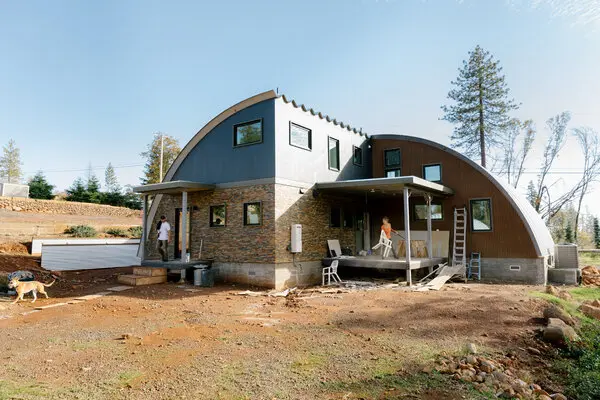
Metal roofing, reinforced shingles, and durable roofing materials can provide better protection against extreme weather conditions. Regular inspections can also identify weak areas before they become major problems.
2. Install Impact-Resistant Windows and Doors
Windows and doors are common points of failure during storms. Broken glass can allow wind, rain, and debris to enter the home, causing additional structural damage.
Upgrading to impact-resistant windows can help protect against flying debris during hurricanes, tornadoes, and severe storms. These windows are designed with stronger glass and protective layers that reduce the chance of shattering.
Other improvements include:
- Reinforced exterior doors
- Storm shutters
- Strong door frames
- Weather-resistant seals
These upgrades not only improve safety but can also increase energy efficiency by reducing air leaks.
3. Improve Home Drainage Systems
Water damage is one of the most common causes of residential property problems. Heavy rainfall, flooding, and poor drainage can damage foundations, walls, flooring, and electrical systems.
Effective drainage improvements include:
- Cleaning and upgrading gutters
- Installing downspout extensions
- Creating proper landscape grading
- Adding drainage channels
- Installing sump pumps in flood-prone areas
A well-designed drainage system directs water away from the home and helps prevent foundation damage.
4. Reinforce the Foundation
The foundation supports the entire structure, making it one of the most important areas for disaster protection.
Foundation improvements may include:
- Repairing cracks and structural weaknesses
- Adding reinforcement systems
- Improving waterproofing
- Strengthening connections between the foundation and framing
Homes in earthquake-prone areas may benefit from seismic retrofitting, which helps improve stability during ground movement.
5. Upgrade Exterior Materials
The exterior of a home acts as its first layer of protection against weather conditions. Choosing durable materials can improve resistance against storms, fire, moisture, and temperature changes.
Strong exterior options include:
- Fiber cement siding
- Brick
- Stone
- Fire-resistant materials
- Treated wood products
These materials can provide better protection compared with older exterior finishes that may deteriorate more quickly.
6. Create a Fire-Resistant Home Design
In areas vulnerable to wildfires, homeowners should focus on reducing fire risks around and inside the property.
Important fire-resistant improvements include:
- Using fire-resistant roofing
- Installing non-combustible siding
- Creating defensible space around the home
- Removing dry vegetation near structures
- Installing fire-rated doors and windows
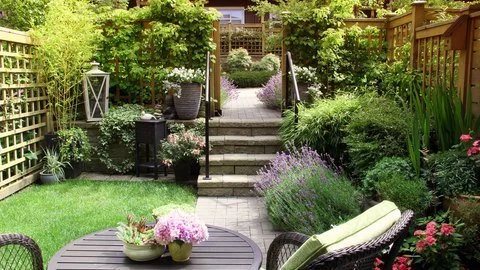
Landscaping choices also matter. Using fire-resistant plants and maintaining clear areas around the home can help slow the spread of flames.
7. Install Backup Power Systems
Power outages are common during storms and natural disasters. A backup energy system can help maintain essential household functions when the electrical grid fails.
Options include:
- Whole-home generators
- Solar panels with battery storage
- Portable backup power systems
Backup power can support important systems such as refrigeration, heating, cooling, medical equipment, lighting, and communication devices.
8. Protect Against Flood Damage
Flooding can cause expensive and long-lasting damage. Homes in flood-prone locations should include protective upgrades designed to minimize water intrusion.
Possible improvements include:
- Waterproof basement treatments
- Elevated electrical systems
- Flood-resistant flooring
- Water-resistant building materials
- Flood barriers
For new construction or major renovations, elevating certain parts of the home may provide additional protection.
9. Secure Outdoor Structures
Outdoor areas also require attention when preparing a home for severe weather. Loose outdoor objects can become dangerous projectiles during strong winds.
Improve outdoor safety by:
- Anchoring sheds and outdoor structures
- Securing patio furniture
- Reinforcing fences
- Trimming weak tree branches
- Inspecting decks and balconies
A well-maintained exterior reduces hazards during storms.
10. Upgrade Electrical and Plumbing Systems
Older electrical and plumbing systems may create additional risks during emergencies.
Electrical improvements can include:
- Updating outdated wiring
- Installing surge protection
- Using weather-resistant outdoor electrical components
Plumbing improvements may include:
- Installing backflow prevention devices
- Protecting pipes from freezing
- Replacing damaged plumbing connections
These upgrades improve safety while also increasing the overall reliability of the home.
11. Create an Emergency-Safe Interior
A disaster-resistant home should include interior spaces designed for safety during emergencies.
Consider creating:
- A designated emergency area
- Secure storage for supplies
- Easy access to emergency equipment
- Reinforced interior rooms
Homeowners should keep essential items available, including flashlights, first-aid supplies, emergency food, water, and communication devices.
12. Use Smart Home Safety Technology
Modern technology can improve disaster preparedness by providing early warnings and remote monitoring.
Smart home upgrades may include:
- Smoke and carbon monoxide detectors
- Water leak sensors
- Smart security cameras
- Weather monitoring systems
- Automated shutoff valves
These systems can alert homeowners to problems quickly and help prevent small issues from becoming major emergencies.
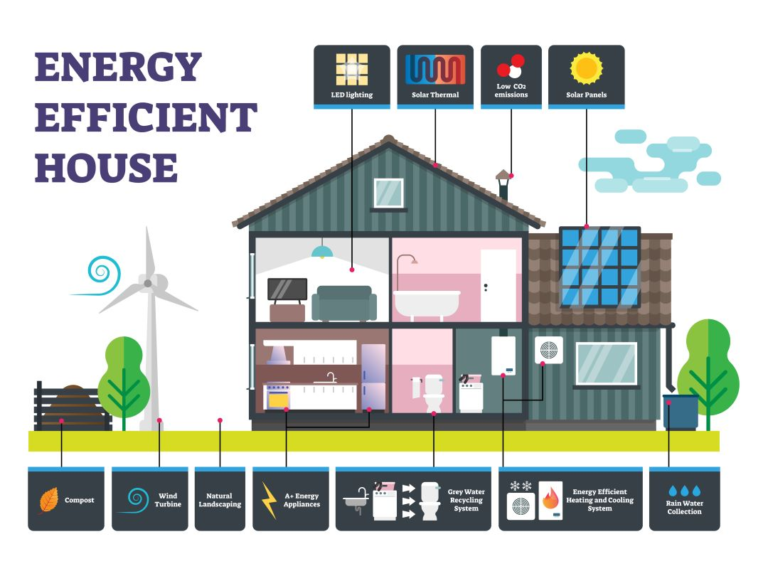
13. Improve Insulation and Energy Efficiency
Energy-efficient improvements can also contribute to disaster resilience. Better insulation helps maintain indoor temperatures during power outages and extreme weather conditions.
Recommended upgrades include:
- Improved wall insulation
- Energy-efficient windows
- Sealed air gaps
- Efficient heating and cooling systems
A well-insulated home can remain more comfortable even when normal utilities are interrupted.
14. Plan for Long-Term Resilience
Disaster-resistant improvements should be viewed as long-term investments. The best upgrades combine safety, durability, energy efficiency, and increased property value.
When planning renovations, homeowners should consider:
- Local climate risks
- Building codes
- Property location
- Future weather conditions
- Maintenance requirements
Working with qualified contractors and professionals can help ensure improvements are effective and properly installed.
Conclusion
Creating a disaster-resistant home is about preparing for the unexpected while improving everyday comfort and security. Stronger roofs, reinforced windows, improved drainage, fire-resistant materials, and modern safety technology can significantly increase a property’s resilience.
Although disasters cannot always be prevented, homeowners can take practical steps to reduce risks and protect their investments. By making thoughtful upgrades, residential properties can become safer, stronger, and better prepared for whatever challenges the future brings.