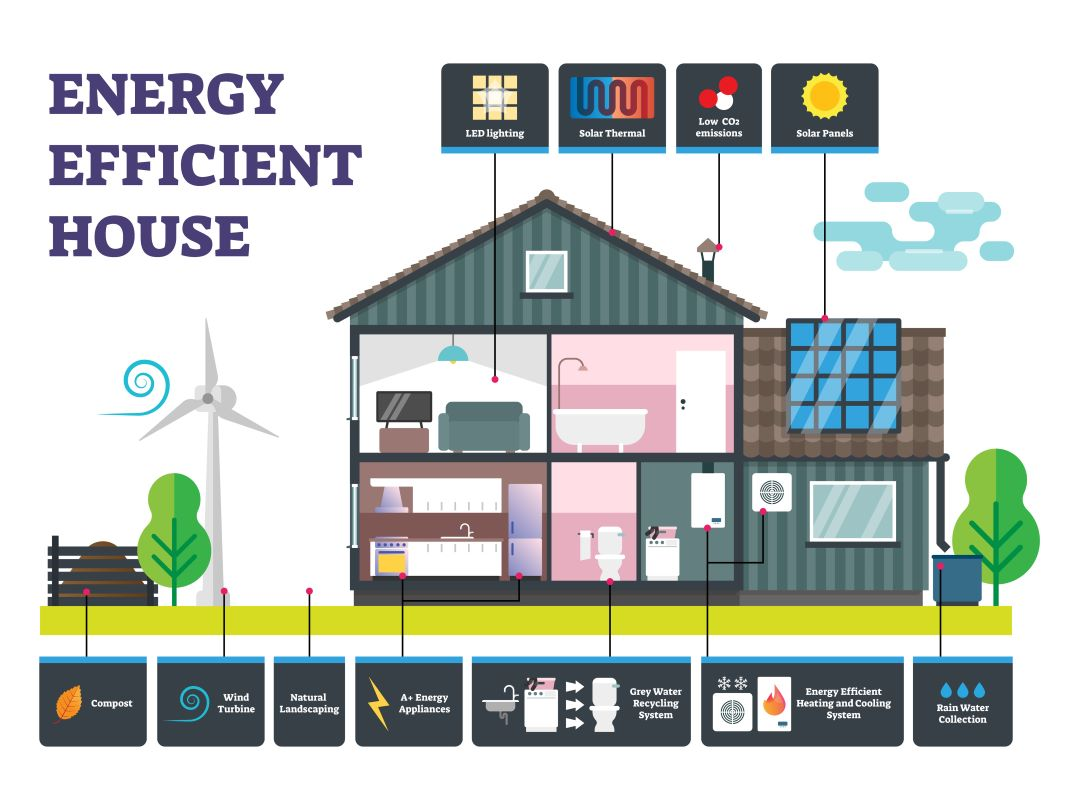
Home Improvement Strategies for Clients to Create a More Energy-Efficient House
Energy efficiency has become one of the most important priorities for homeowners today. Rising utility bills, environmental concerns, and the desire for long-term savings have encouraged many people to rethink how their homes consume energy. Whether building a new property or upgrading an existing one, improving energy efficiency is one of the smartest investments a homeowner can make.
For clients looking to reduce monthly costs and create a more comfortable living environment, home improvement strategies focused on energy efficiency offer practical and lasting benefits. These improvements not only help save money but also increase property value, improve indoor air quality, and reduce the overall carbon footprint.
Creating an energy-efficient house does not always require a complete renovation. In many cases, small strategic upgrades can deliver significant results. From insulation improvements to smart home technology, there are many ways clients can transform their homes into energy-saving spaces.
Start with a Professional Energy Audit
Before making any improvements, the first step should be understanding where energy is being wasted. A professional energy audit helps identify weak areas in the house, including air leaks, poor insulation, outdated appliances, and inefficient heating systems.
An energy audit provides a clear roadmap for improvement. It allows homeowners to prioritize upgrades based on their budget and the potential savings. Without this assessment, clients may spend money on areas that have less impact while ignoring bigger problems.
By starting with a professional audit, homeowners can make smarter decisions and focus on the improvements that matter most.
Upgrade Home Insulation
Insulation plays a critical role in maintaining indoor temperatures. Poor insulation allows heat to escape during winter and enter during summer, forcing heating and cooling systems to work harder.
One of the best energy-efficient home improvement strategies is upgrading insulation in key areas such as:
Attics
Walls
Basements
Floors
Crawl spaces
Modern insulation materials are far more effective than older ones. Spray foam, fiberglass, and cellulose insulation can significantly improve energy retention.
Proper insulation reduces temperature fluctuations, increases comfort, and lowers energy consumption throughout the year.
Seal Air Leaks Around the House
Air leaks are one of the biggest causes of wasted energy in homes. Even small gaps around windows, doors, pipes, and vents can lead to major heating and cooling losses.
Sealing these leaks is an affordable and effective home improvement strategy. Common methods include:
Weatherstripping around doors
Caulking window frames
Sealing ductwork
Insulating around plumbing openings
Installing door sweeps
These simple improvements help maintain stable indoor temperatures and reduce the strain on HVAC systems.
For clients working with smaller budgets, air sealing is one of the highest-return upgrades available.
Replace Old Windows with Energy-Efficient Models
Windows have a major impact on energy efficiency. Older single-pane windows often allow heat transfer, making it difficult to regulate indoor temperatures.
Energy-efficient windows are designed to minimize heat loss and heat gain. Features such as double or triple glazing, low-emissivity coatings, and gas-filled panes improve insulation.
Benefits of upgrading windows include:
Lower energy bills
Better temperature control
Reduced outside noise
Improved natural lighting
Increased home value
Although window replacement can be costly, it offers long-term savings and improves overall home performance.
Install Energy-Efficient Doors
Doors are another common source of energy loss. Older or poorly fitted doors can create drafts that increase heating and cooling costs.
Replacing exterior doors with insulated, energy-efficient models helps reduce air leakage. Fiberglass and steel doors are excellent options because they provide better insulation than traditional wooden doors.
Clients should also ensure proper weatherstripping and sealing around door frames for maximum efficiency.
Upgrade to a High-Efficiency HVAC System
Heating and cooling systems are often the largest energy consumers in any home. Older HVAC units typically use more energy while delivering less performance.
Upgrading to a high-efficiency HVAC system can dramatically reduce energy costs. Modern systems use advanced technology to heat and cool homes more effectively.
Popular options include:
Energy-efficient furnaces
Heat pumps
Ductless mini-split systems
Smart thermostats
Zoned heating systems
Regular maintenance is equally important. Cleaning filters, checking ductwork, and scheduling inspections help keep systems running efficiently.
Use Smart Thermostats for Better Temperature Control
Smart thermostats are one of the easiest ways to improve home energy efficiency. These devices allow homeowners to control temperatures automatically based on schedules and preferences.
Benefits include:
Reducing energy waste when no one is home
Adjusting temperatures remotely
Tracking energy usage
Learning household habits for optimized performance
Smart thermostats can lower heating and cooling bills significantly over time without sacrificing comfort.
For modern homeowners, this is one of the most practical and affordable upgrades.
Upgrade Lighting Systems
Traditional incandescent bulbs consume much more electricity than modern alternatives. Replacing outdated lighting with LED bulbs is a simple but highly effective energy-saving strategy.
LED lighting offers several advantages:
Uses less energy
Lasts much longer
Produces less heat
Requires less maintenance
Clients can also install motion sensors, dimmer switches, and smart lighting systems to improve efficiency further.
Lighting upgrades are affordable and provide immediate reductions in electricity usage.
Choose Energy-Efficient Appliances
Household appliances account for a large portion of daily energy consumption. Older refrigerators, washing machines, dishwashers, and ovens often use excessive electricity.
Upgrading to energy-efficient appliances can lead to major savings. Look for appliances with energy certification labels that indicate better performance and lower energy use.
Key appliances to upgrade include:
Refrigerators
Washing machines
Dryers
Dishwashers
Water heaters
Air conditioners
Although these appliances may cost more initially, their reduced operating costs make them worthwhile investments.
Install Solar Panels
Solar energy is becoming one of the most popular solutions for homeowners seeking long-term energy savings. Installing solar panels allows clients to generate their own electricity, reducing dependence on utility providers.
Benefits of solar panels include:
Lower electricity bills
Renewable energy source
Increased property value
Tax incentives in some areas
Reduced environmental impact
While the upfront cost can be high, solar systems often pay for themselves over time through energy savings.
For clients committed to sustainability, solar power is one of the strongest home improvement investments.
Improve Water Heating Efficiency
Water heating is another major energy expense in many homes. Improving water heater efficiency can significantly reduce utility costs.
Effective strategies include:
Installing tankless water heaters
Adding insulation to hot water pipes
Lowering water heater temperature settings
Choosing energy-efficient water heating systems
Tankless systems are especially effective because they heat water only when needed, avoiding standby energy loss.
This upgrade can improve efficiency while ensuring consistent hot water access.
Upgrade Roofing Materials
The roof has a direct impact on indoor temperature control. Traditional roofing materials can absorb heat, making homes hotter in warm climates.
Energy-efficient roofing options such as cool roofs reflect sunlight and reduce heat absorption. Materials like metal roofing, reflective shingles, and insulated roof systems help improve thermal performance.
Benefits include:
Reduced cooling costs
Longer roof lifespan
Better indoor comfort
Lower environmental impact
Roof improvements can be especially valuable for homes exposed to extreme temperatures.
Install Ceiling Fans for Better Air Circulation
Ceiling fans support heating and cooling systems by improving air circulation. In summer, they create a cooling effect, reducing the need for air conditioning. In winter, reversing the fan direction helps distribute warm air evenly.
Ceiling fans use much less energy compared to HVAC systems, making them a cost-effective addition.
This simple improvement can improve comfort while reducing energy demand.
Improve Landscaping for Natural Energy Efficiency
Landscaping can also contribute to energy efficiency. Strategic placement of trees, shrubs, and plants can help regulate indoor temperatures naturally.
For example:
Planting shade trees near windows reduces heat gain
Windbreaks protect homes from cold winter winds
Green roofs improve insulation
Natural landscaping lowers dependence on mechanical heating and cooling systems while enhancing curb appeal.
This approach combines beauty with practical energy-saving benefits.
Upgrade Flooring Materials
Certain flooring materials improve energy efficiency by retaining heat or keeping spaces cooler.
Examples include:
Carpet for insulation
Tile for cooling in warm climates
Engineered wood for balanced temperature control
Heated flooring systems for efficient winter warmth
Choosing the right flooring can support overall temperature management and reduce HVAC workload.
Use Smart Home Automation
Smart home technology is changing how homeowners manage energy. Automated systems allow clients to monitor and control electricity use more effectively.
Examples include:
Smart plugs
Automated blinds
Smart power strips
Energy monitoring systems
Remote-controlled appliances
These technologies help reduce waste and optimize daily energy consumption.
Smart automation is especially valuable for busy homeowners who want better control over their utility bills.
Consider Sustainable Building Materials
When renovating, choosing sustainable materials can improve energy efficiency and environmental performance.
Examples include:
Recycled wood
Bamboo flooring
Low-VOC paints
Insulated concrete forms
Eco-friendly drywall
These materials often offer better insulation, durability, and lower environmental impact.
Clients focused on green living can benefit greatly from using sustainable options during upgrades.
Focus on Long-Term Savings Over Short-Term Costs
Many homeowners hesitate because energy-efficient upgrades often require upfront investment. However, it is important to focus on the long-term financial benefits.
Lower monthly bills, fewer maintenance issues, and higher resale value often outweigh the initial costs. Many improvements continue to provide savings for years or even decades.
Energy efficiency should be seen as a long-term strategy rather than a short-term expense.
Conclusion
Creating a more energy-efficient house requires careful planning, smart decisions, and the right home improvement strategies. From improving insulation and sealing air leaks to upgrading appliances and installing solar panels, each improvement contributes to a more comfortable and cost-effective home.
For clients, the goal should be to build a house that works smarter, not harder. Energy-efficient homes offer better living conditions, lower utility costs, and stronger property value in today’s market.
By taking a step-by-step approach and focusing on the most impactful upgrades, homeowners can create spaces that are modern, sustainable, and financially beneficial. Investing in energy efficiency today is a smart move that continues to pay off for years to come.