Home Improvement Tips for Clients Who Want to Maximize Space in Small Homes
Living in a small home comes with unique challenges, especially when it comes to storage, comfort, and maintaining a stylish appearance without overcrowding the space. Many homeowners struggle to make the most of every square foot, often feeling limited by the size of their property. However, with the right home improvement strategies, even the smallest homes can feel spacious, functional, and inviting.
Maximizing space in small homes is not just about adding storage. It involves smart planning, thoughtful design, and creative renovations that improve both functionality and aesthetics. Whether you are working with a compact apartment, a small family house, or a tiny modern home, there are countless ways to create the illusion of space while improving practical living.
In this guide, we will explore effective home improvement tips for clients who want to transform small spaces into highly efficient and beautiful living environments.
Start with a Space Assessment
Before beginning any renovation project, it is important to understand how the current space is being used. Many small homes feel cramped because of poor layouts rather than actual lack of space.
Walk through every room and identify problem areas. Look for unused corners, awkward furniture placement, and clutter zones. Consider what activities happen in each room and whether the layout supports those needs.
By understanding where space is wasted, homeowners can create a better plan for improvements. This step often reveals simple solutions that can make a major difference.
Choose Multi-Functional Furniture
One of the smartest ways to maximize space in a small home is by investing in furniture that serves multiple purposes.
A sofa bed can transform a living room into a guest room. Storage ottomans provide seating while hiding blankets, books, or toys. Dining tables with foldable leaves can expand when needed and shrink when not in use.
Beds with built-in drawers are especially valuable in small bedrooms. Instead of using extra dressers, homeowners can store clothing, shoes, or bedding underneath the mattress.
Multi-functional furniture reduces the need for extra pieces, which keeps rooms open and organized.
Build Upward Instead of Outward
When floor space is limited, vertical space becomes extremely valuable. Many homeowners overlook the walls, but they offer countless opportunities for storage and design.
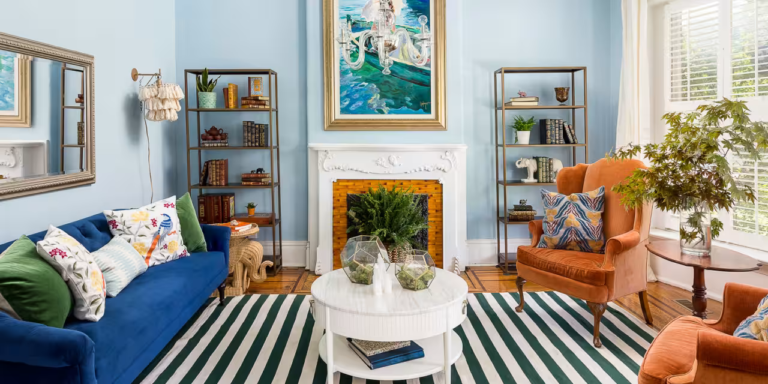
Installing tall shelving units can create storage without taking up much room. Floating shelves are excellent for books, decorative items, and kitchen supplies.
Wall-mounted cabinets in bathrooms and kitchens can hold essentials while keeping counters clear. Hooks and pegboards can organize tools, coats, or accessories.
In small homes, using the full height of the walls helps maximize every inch.
Optimize Closet Space
Closets often become cluttered quickly, especially in compact homes. Improving closet organization can significantly increase usable space.
Add double hanging rods to create extra room for clothing. Use shelf dividers for folded items and baskets for accessories. Over-the-door organizers work well for shoes, toiletries, and small items.
Custom closet systems can transform even tiny closets into highly efficient storage areas. Built-in drawers, adjustable shelves, and hanging compartments can make a dramatic difference.
A well-organized closet reduces clutter in the rest of the home.
Use Light Colors for Walls and Furniture
Color plays a major role in how spacious a room feels. Light shades reflect more natural and artificial light, making spaces appear larger and brighter.
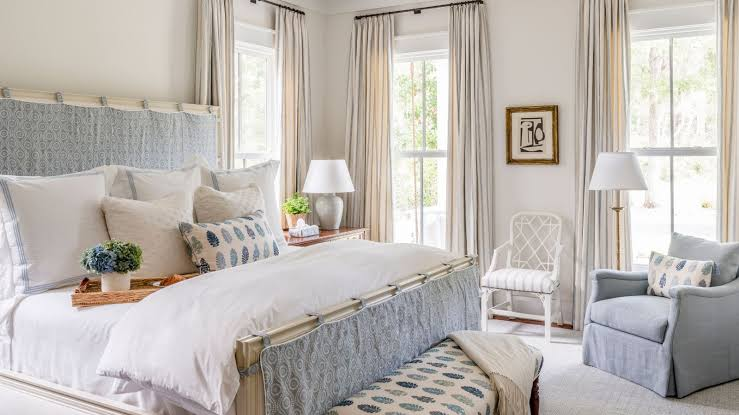
White, beige, soft gray, and pale blue are excellent choices for small homes. These colors create an open atmosphere and make walls feel farther apart.
Furniture in lighter tones can also contribute to a more spacious look. Avoid overly dark or bulky pieces that make rooms feel heavier.
Combining light colors with good lighting can completely transform the feeling of a small space.
Install Built-In Storage Solutions
Built-in storage is one of the most effective home improvements for maximizing space. Unlike traditional furniture, built-ins can be customized to fit exact dimensions.
Built-in benches with hidden storage are perfect for dining areas or entryways. Window seats can provide seating while offering extra storage underneath.
Custom cabinets around entertainment centers, beds, or staircases can make use of awkward spaces that would otherwise go unused.
Built-ins create a cleaner and more organized appearance because they blend naturally into the room.
Upgrade the Kitchen for Efficiency
Kitchens in small homes often suffer from limited storage and counter space. Improving kitchen efficiency can make the entire home feel more functional.
Install pull-out pantry shelves for easier access. Add vertical dividers for baking trays and cutting boards. Use magnetic strips for knives and hanging racks for pots and pans.
Corner cabinets with rotating shelves help maximize difficult spaces. Wall-mounted spice racks can free up cabinet space.
Small kitchen islands with storage can provide extra prep space while adding functionality.
A well-designed kitchen can dramatically improve daily living.
Create Open Floor Plans
Walls can make small homes feel even smaller. Removing unnecessary walls can open up living areas and improve natural light flow.
Combining the kitchen, dining room, and living room into one open space creates a larger visual area. This makes entertaining easier and improves movement throughout the home.
Open floor plans also allow for more flexible furniture arrangements.
Before removing walls, it is important to consult professionals to ensure structural safety.
Maximize Natural Light
Natural light makes small spaces feel bigger, fresher, and more welcoming. Dark rooms often feel cramped and uncomfortable.
Use sheer curtains or light window treatments to allow sunlight inside. Avoid heavy drapes that block light.
Adding mirrors opposite windows can reflect light throughout the room and create the illusion of depth.
If possible, consider installing larger windows or glass doors during renovations. Skylights are another excellent option for increasing brightness.
More light often means a greater sense of openness.
Use Sliding Doors
Traditional doors require clearance space when opening and closing. Sliding doors eliminate this issue and can save valuable square footage.
Pocket doors are ideal for bathrooms, closets, and laundry rooms. Barn-style sliding doors can add both function and style.
Glass sliding doors can also improve light flow between rooms while maintaining separation.
Replacing standard doors with sliding options is a practical upgrade for small homes.
Make Under-Stair Areas Functional
If the home has stairs, the area underneath can provide valuable storage or functional space.
This area can be transformed into built-in drawers, bookshelves, a small office, or even a pet area.
Custom under-stair cabinets are perfect for shoes, cleaning supplies, or seasonal items.
Making use of this often-forgotten space can free up storage elsewhere.
Keep Flooring Consistent
Using the same flooring throughout multiple rooms can make a home feel larger. Too many flooring changes can visually break up the space and create a choppy appearance.
Consistent hardwood, laminate, or tile flooring creates smooth transitions and improves flow.
Lighter flooring colors can further enhance the sense of openness.
This simple design choice can have a powerful visual impact.
Add Mirrors Strategically
Mirrors are one of the oldest tricks for making small spaces feel larger. They reflect light and create the illusion of expanded depth.
Large mirrors in living rooms, bedrooms, or hallways can make spaces appear almost double in size.
Mirrored closet doors can also serve both decorative and practical purposes.
Strategic mirror placement can brighten dark corners and improve the overall layout.
Use Foldable and Expandable Features
Foldable furniture is perfect for maximizing flexibility in small homes.
Wall-mounted desks can fold away when not in use. Foldable dining tables can expand during meals and collapse afterward.
Murphy beds are especially effective in studio apartments or guest rooms, allowing rooms to serve multiple purposes.
These space-saving solutions are ideal for modern compact living.
Improve Bathroom Storage
Bathrooms are often among the smallest rooms in a home, yet they need efficient storage.
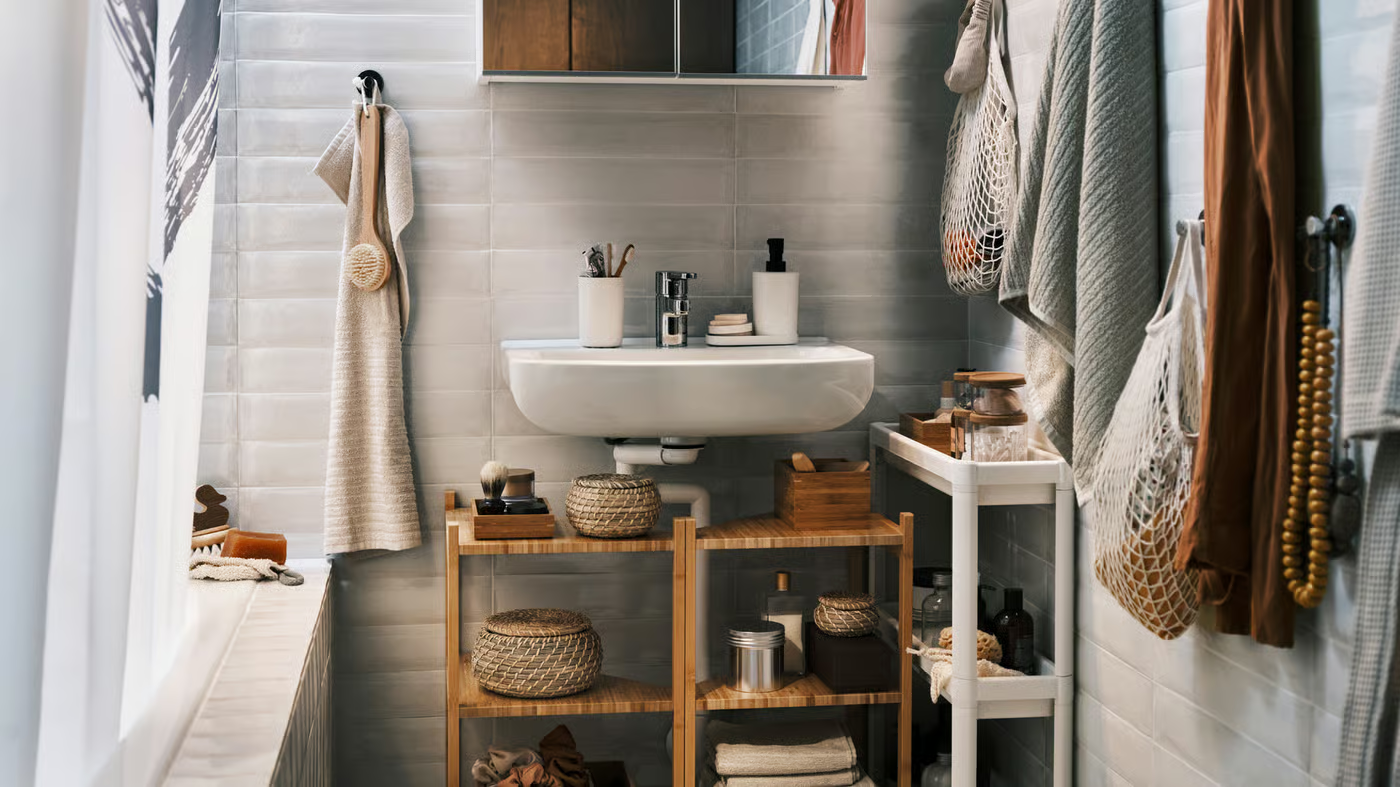
Install floating vanities to create floor visibility and a more open feel. Add shelves above toilets for towels and toiletries.
Medicine cabinets with mirrors offer double functionality. Recessed shelves inside shower walls can eliminate bulky storage racks.
Simple bathroom upgrades can improve both space and organization.
Declutter and Simplify Design
No amount of renovation can fully maximize space if clutter remains a problem. Minimalism is often the best approach in small homes.
Encourage homeowners to regularly remove unused items. Keep surfaces clear and organized.
Choose fewer decorative pieces with stronger visual impact instead of many small accessories.
Simple designs create a cleaner and larger feeling environment.
Create Hidden Storage Opportunities
Hidden storage is an excellent way to maintain a neat appearance.
Consider beds with lift-up storage, hidden compartments in benches, or coffee tables with built-in drawers.
Even stair risers can be turned into pull-out drawers.
These hidden solutions help homeowners stay organized without adding visible clutter.
Use Smart Technology for Better Efficiency
Modern technology can reduce clutter and improve functionality.
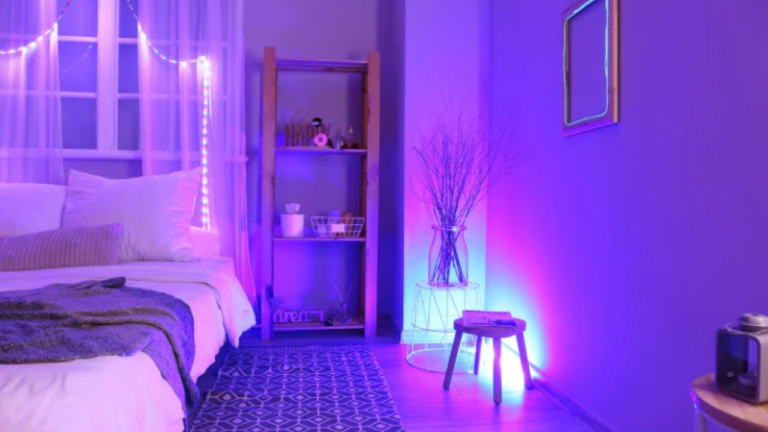
Smart thermostats eliminate bulky controls. Wireless charging stations reduce cable mess. Smart lighting systems can save space by removing the need for multiple lamps.
Home automation systems can streamline everyday living and make small homes feel more advanced and efficient.
Technology is becoming an important part of modern home improvement.
Design Outdoor Extensions
For homeowners with small interiors, extending living spaces outdoors can be a smart solution.
Patios, decks, and balconies can act as extra entertainment or relaxation areas.
Adding foldable outdoor furniture and weatherproof storage can increase usability.
This effectively expands the home’s functional area without major construction.
Personalize Without Overcrowding
Small homes should still reflect the homeowner’s personality. The key is balance.
Use statement pieces like artwork, accent walls, or unique lighting instead of excessive decorations.
Choose furniture that fits the scale of the room. Oversized pieces can overwhelm the space.
Thoughtful personalization creates comfort without sacrificing openness.
Final Thoughts
Maximizing space in small homes requires creativity, planning, and smart home improvement decisions. From built-in storage and multi-functional furniture to better lighting and open layouts, there are countless ways to transform compact spaces into highly practical and attractive living environments.
The goal is not simply to fit more into the home but to improve how the space functions for everyday life. Every corner, wall, and hidden area can be used effectively with the right strategy.
For clients working with smaller properties, these home improvement tips can make a huge difference in comfort, organization, and overall value. A small home does not have to feel limiting. With smart design and practical upgrades, it can become one of the most efficient and beautiful spaces to live in.