Modern Kitchen Design Trends You Should Try in 2026
The kitchen has evolved far beyond its traditional role as a cooking space. Today, it is the heart of the home—a place for gathering, entertaining, working, and expressing personal style. Modern kitchen design trends reflect this shift, blending functionality, technology, and aesthetics in ways that make everyday life more comfortable and visually appealing.
If you’re planning a renovation or simply looking for inspiration, exploring the latest kitchen trends can help you create a space that feels fresh, practical, and future-ready. Below are the most impactful modern kitchen design trends you should try.
1. Open Concept Kitchens That Flow Seamlessly
One of the strongest trends in modern home design is the open concept kitchen. Walls are being removed to create a seamless flow between the kitchen, dining, and living areas. This layout encourages interaction, making it easier to cook while still engaging with family or guests.
Open kitchens also allow more natural light to spread throughout the home, making even smaller spaces feel larger and brighter. Designers are now using subtle transitions like flooring changes, ceiling details, or kitchen islands to define spaces without closing them off.
However, open kitchens require good organization. Since everything is visible, maintaining a clean and clutter-free environment becomes essential.
2. Minimalist Cabinet Designs with Hidden Storage
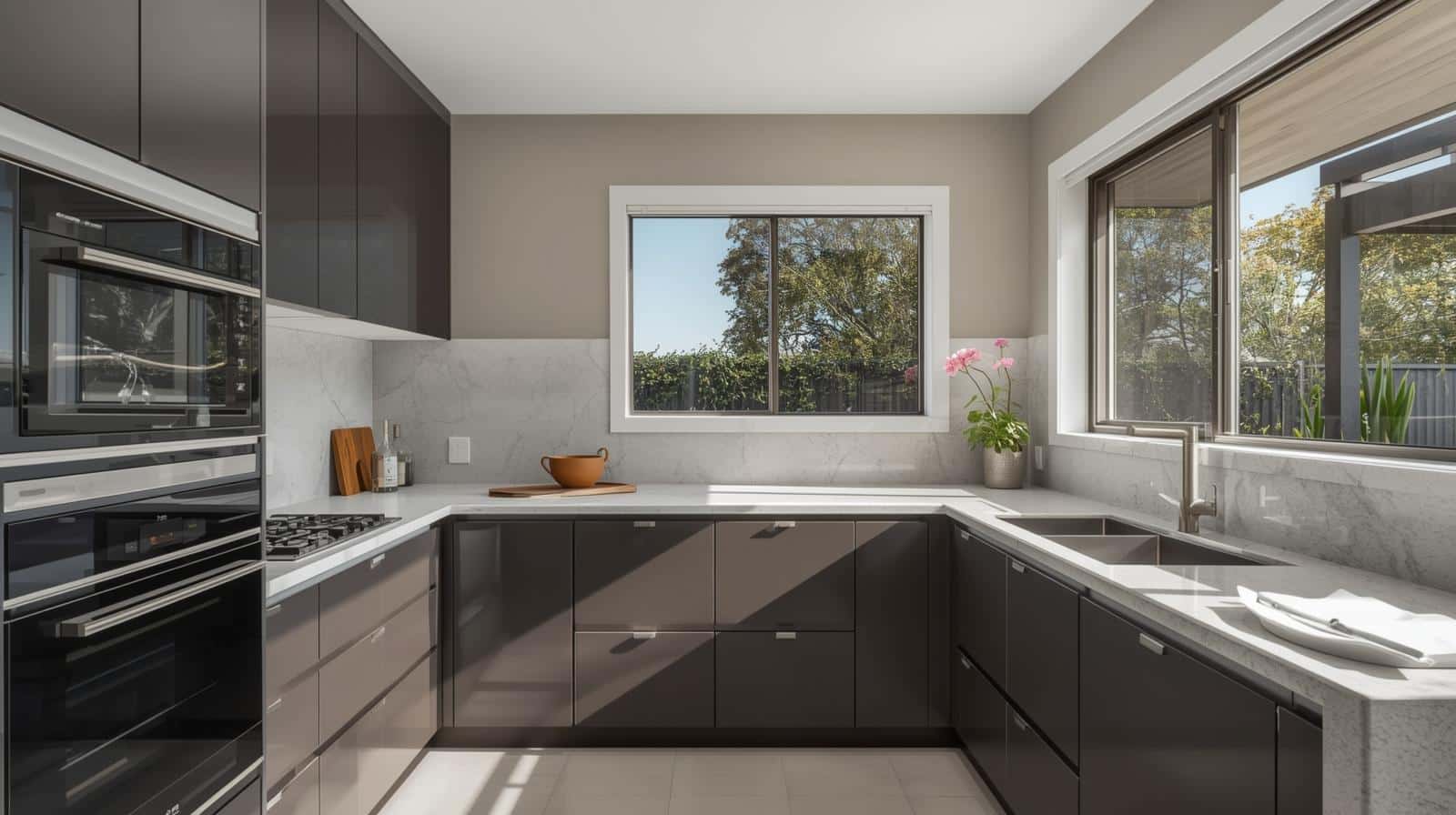
Minimalism continues to dominate modern kitchen design. Clean lines, handle-less cabinets, and smooth surfaces create a sleek and uncluttered appearance. The goal is to reduce visual noise while maximizing storage efficiency.
Push-to-open cabinets and integrated handles are becoming increasingly popular. These designs not only look elegant but also improve usability.
Hidden storage solutions are also trending. Pull-out drawers, corner organizers, vertical dividers, and appliance garages help keep countertops free from clutter. The result is a kitchen that feels spacious and calm, even when fully functional.
3. Bold Color Accents in Neutral Kitchens
While white and neutral kitchens remain popular, modern designs are now incorporating bold accent colors to add personality and depth. Instead of overwhelming the entire space with color, designers are focusing on strategic highlights.
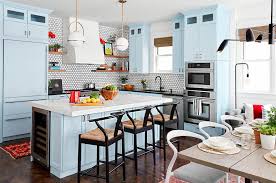
Deep greens, navy blue, matte black, and earthy terracotta are commonly used for kitchen islands, lower cabinets, or backsplashes. These accents create contrast while maintaining a sophisticated look.
This trend allows homeowners to enjoy both timeless elegance and personal expression without committing to an overly dramatic design.
4. Natural Materials and Organic Textures
Nature-inspired kitchens are gaining momentum as people seek warmth and comfort in their homes. Materials like wood, stone, marble, and clay are being used to create an organic, grounded feel.
Wooden cabinets with visible grain patterns, stone countertops, and textured backsplashes add depth and character to the space. Even small details like woven bar stools or ceramic decor pieces contribute to this natural aesthetic.
This trend is not only visually appealing but also promotes sustainability, as many homeowners prefer eco-friendly and long-lasting materials.
5. Smart Kitchens with Integrated Technology
Technology is revolutionizing the modern kitchen. Smart appliances and digital solutions are making cooking more efficient, safe, and enjoyable.
From smart refrigerators that track groceries to ovens that can be controlled via smartphone apps, technology is now seamlessly integrated into kitchen design. Voice-controlled lighting, touchless faucets, and automated ventilation systems are also becoming common.
These innovations save time and reduce energy consumption while enhancing convenience. The modern kitchen is no longer just stylish—it’s intelligent.
6. Multi-Functional Kitchen Islands
Kitchen islands have become a central feature in modern design. They are no longer just extra counter space; they now serve multiple purposes.
Today’s kitchen islands often include built-in sinks, cooktops, storage drawers, seating areas, and even charging stations for devices. They function as cooking zones, dining tables, and social hubs all in one.
Designers are also experimenting with waterfall edges, mixed materials, and layered lighting to make islands stand out as statement pieces.
7. Matte Finishes Over Glossy Surfaces
Glossy kitchens were once the standard, but matte finishes are now taking over modern design trends. Matte cabinets, countertops, and fixtures offer a soft, sophisticated appearance that feels more natural and less reflective.
One major advantage of matte surfaces is that they hide fingerprints, smudges, and scratches better than glossy finishes, making them more practical for everyday use.
Matte black, charcoal, and muted earth tones are especially popular in contemporary kitchens, offering a luxurious yet understated aesthetic.
8. Statement Lighting as a Design Feature
Lighting is no longer just functional—it is now a key design element. Modern kitchens use lighting to create mood, highlight features, and add visual interest.
Pendant lights over kitchen islands, under-cabinet LED strips, and recessed ceiling lights are commonly combined for layered lighting effects. Designers are also using sculptural lighting fixtures as focal points.
Warm lighting is preferred for a cozy atmosphere, while adjustable brightness allows flexibility for cooking, dining, or entertaining.
9. Open Shelving for Style and Accessibility
Open shelving has made a strong comeback in modern kitchen design. It offers both aesthetic appeal and practical benefits by keeping frequently used items within easy reach.
Homeowners use open shelves to display dishes, glassware, plants, and decorative items. This adds personality to the kitchen and breaks the monotony of closed cabinets.
However, this trend works best when shelves are kept organized and styled thoughtfully. A balanced mix of function and decoration is key to avoiding clutter.
10. Sustainable and Eco-Friendly Kitchens
Sustainability is becoming a major priority in kitchen design. More homeowners are choosing environmentally friendly materials and energy-efficient appliances.
Recycled wood, bamboo cabinets, and low-VOC paints are commonly used to reduce environmental impact. Energy-saving dishwashers, induction cooktops, and LED lighting also contribute to greener living.
Water-saving faucets and waste recycling systems are being integrated into modern kitchens to support eco-conscious lifestyles.
11. Mixed Metal Finishes for a Modern Edge
Gone are the days when kitchens had to stick to a single metal finish. Modern design embraces mixing metals like brass, stainless steel, copper, and matte black.
For example, a kitchen might feature brass cabinet handles, a stainless steel sink, and black light fixtures. When done correctly, this combination adds depth and sophistication.
The key is balance—using one dominant metal and one or two accent finishes to avoid visual chaos.
12. Floor-to-Ceiling Cabinetry for Maximum Storage
Storage is always a priority in kitchen design, and floor-to-ceiling cabinets are becoming increasingly popular. These tall cabinets make use of vertical space and provide significantly more storage capacity.
They also create a clean, seamless look by eliminating gaps between cabinets and ceilings where dust can collect.
This trend is especially useful in smaller kitchens where maximizing every inch of space is essential.
13. Warm Minimalism: A Softer Approach to Modern Design
While minimalism is still popular, a newer variation called “warm minimalism” is gaining attention. This style combines simplicity with warmth by using soft textures, natural colors, and cozy materials.
Instead of stark white and gray spaces, warm minimalism includes beige tones, light wood finishes, and subtle decorative elements. The result is a modern kitchen that feels inviting rather than cold.
This approach is perfect for homeowners who want a clean design without sacrificing comfort.
14. Integrated Appliances for a Seamless Look
Built-in and panel-ready appliances are becoming a standard in modern kitchens. Refrigerators, dishwashers, and microwaves are now designed to blend seamlessly with cabinetry.
This creates a uniform, uncluttered appearance where appliances do not visually disrupt the design flow.
Integrated appliances are especially popular in high-end kitchens where aesthetics are just as important as performance.
15. Personalized Kitchen Spaces
Modern kitchen design is increasingly focused on personalization. Instead of following strict design rules, homeowners are encouraged to create kitchens that reflect their lifestyle and personality.
Whether it’s a coffee station, a baking corner, a spice wall, or a breakfast nook, personalized features make the kitchen more functional and enjoyable.
This trend highlights the idea that no two kitchens should look exactly the same. Each space should tell its own story.
Conclusion
Modern kitchen design is all about balance—between style and function, technology and nature, minimalism and warmth. The latest trends show that kitchens are no longer just places for cooking; they are multifunctional spaces that adapt to modern lifestyles.
Whether you prefer a sleek minimalist look, a cozy natural vibe, or a high-tech smart kitchen, there are countless ways to upgrade your space. By incorporating even a few of these trends, you can transform your kitchen into a stylish, efficient, and welcoming heart of your home.
The key is not to follow every trend, but to choose the ones that best fit your needs, personality, and daily routine.